
About the CRC
The Cross-Reference Coalition (CRC) is an experimental school tracing exuberantly interdisciplinary links among New York City’s libraries, archives, and other knowledge institutions.
What is the Cross-Reference Coalition?
Hosted through the Metropolitan New York Library Council — a state-founded, member-supported non-profit serving the region’s libraries, archives, museums, and other cultural institutions — the CRC gathers knowledge workers and graduate students from our member institutions, along with local artists and designers, to discover what new knowledges and creative practices might emerge through integrative thinking, interdisciplinary collaborations, and inter-institutional partnerships. Each cohort will create an open-access publication documenting its work and featuring the breadth of cultural resources available across New York City.
What values and legacies ground our work?
METRO’s Cross-Reference Coalition aims to demonstrate the vital importance of trusted public knowledge, of robust investment in cultural and civic institutions, and of mutual aid, solidarity, and coalition-building. In the face of education’s instrumentalization and automation, we foster curiosity, collaboration, commoning, and embodied experience. We experiment with forms of knowledge production and share the fruits of our labor. We build on a centuries-long tradition of alternative schools and para-academic institutions, as well as our coordinators’ decades of experience in higher education and public, open-access scholarship.
What participants can expect
Cohort-Based Learning
Each week for ten weeks, participants will have the chance to connect with one another and to explore local knowledge institutions and collections. Together, we’ll engage with critical literature and creative work on the class’s theme, participate in discussions, host guest speakers, and take part in field trips and workshops. And across the following months, we’ll make something together!
Embodied Learning and Site Visits
Because we’ll be centering embodied experiences of material spaces and engaging with physical materials, most of our sessions will be hosted in-person. These sessions will involve discussions at local libraries and field trips to other sites around New York City. We’ll enjoy exhibition walk-throughs, behind-the-scenes tours of various knowledge institutions, visits to artists’ and design studios, and a range of other out-and-about learning experiences. The instructor will finalize specific sites as course plans solidify. Participants will need to arrange their own transportation. We’ll aim to ensure that all sites are accessible and close to public transit, and we’ll adjust our meeting times to accommodate logistics. We’ll also integrate a few zoom-based discussion sections to plan for and develop our collaborative project. And we may invite you to join us for optional, more time-intensive expeditions on occasional weekends.
Outside-of-Class Expectations and Invitations
We’ll ask you to complete readings, screenings, listening activities, and short exercises — a workload commensurate with that of a humane, accommodating humanities graduate course — each week. Most course materials will be provided in digital form, although you’re welcome to borrow or purchase materials that you’d like to access or own in hard copy. We’ll also invite all participants to contribute to our class project (about which more below).
To offer opportunities to reflect on our site visits, we’ll host optional, casual after-class meet-ups every few weeks — most likely at bars or cafes near our field sites. We also welcome reflections and resource-sharing on our class Zulip— a privacy- and security-centered platform we chose because it embodies our course ethos.
Class Project
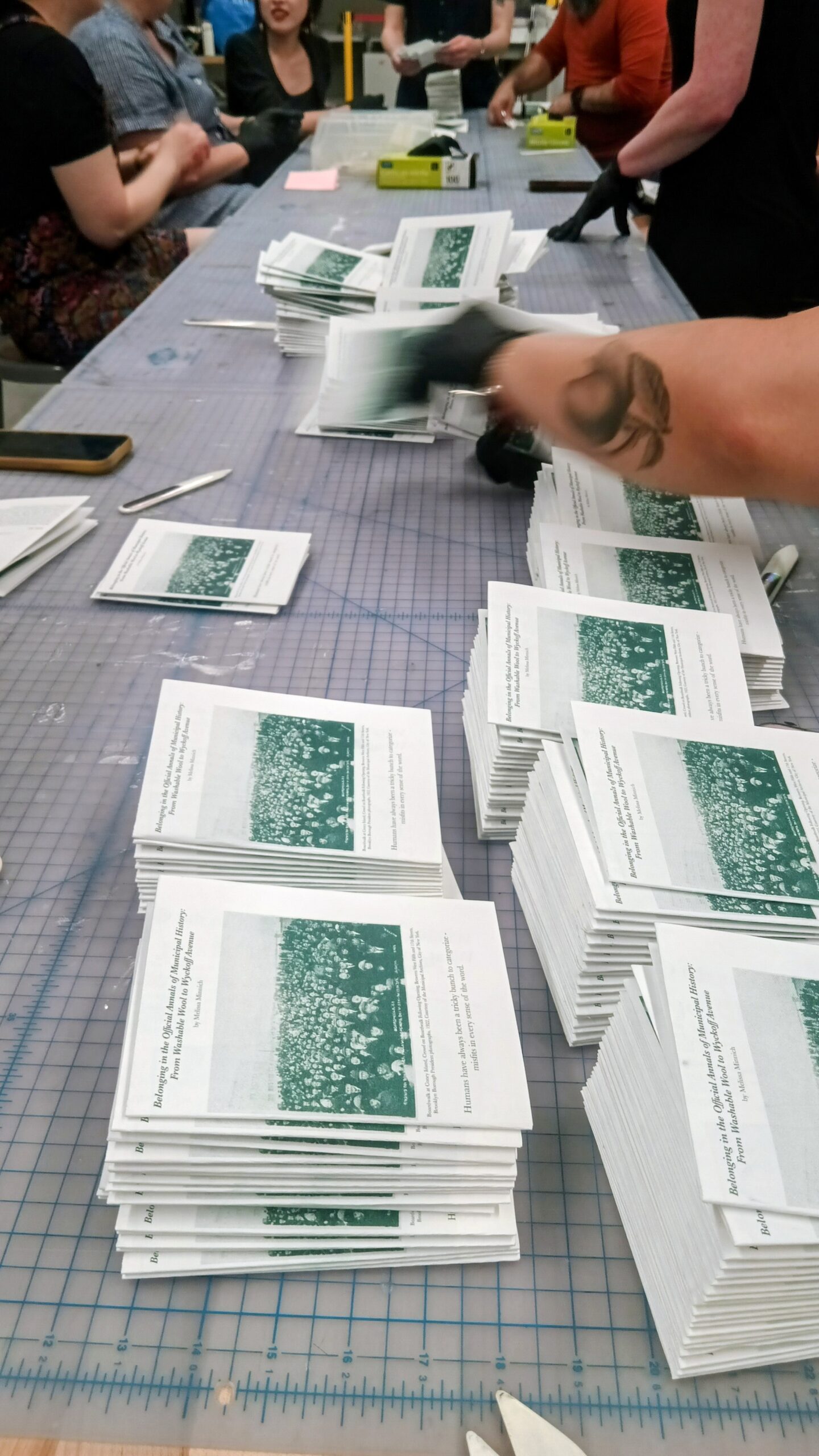
After the weekly sessions conclude, we’ll work together — with guidance from expert designers and producers — to create a publicly accessible class project: a publication, an event, a digital tool, a mini-exhibition, or another means of sharing our work and inviting engagement. Our work will ideally have broad resonance and invite creative experimentation, but our primary obligation is to create new knowledge and experiences that will be of value to the hundreds of knowledge institutions that constitute METRO’s membership.
The specific parameters of each class’s project will be shaped by the course’s theme; by our communities’ needs; and by participants’ interests, skills, and bandwidth. Regardless, everyone should expect to contribute to a few collaboratively scheduled planning and development workshops, to engage in editorial consultations, to contribute to a collaborative and constructive peer-review process, and to pitch in for the project’s production and release. All projects will be scaled to allow for completion within six months. Please see our individual course descriptions for more details about class-specific projects.
Cross-Cohort Interaction
Read testimonials from past participants.
Our Team
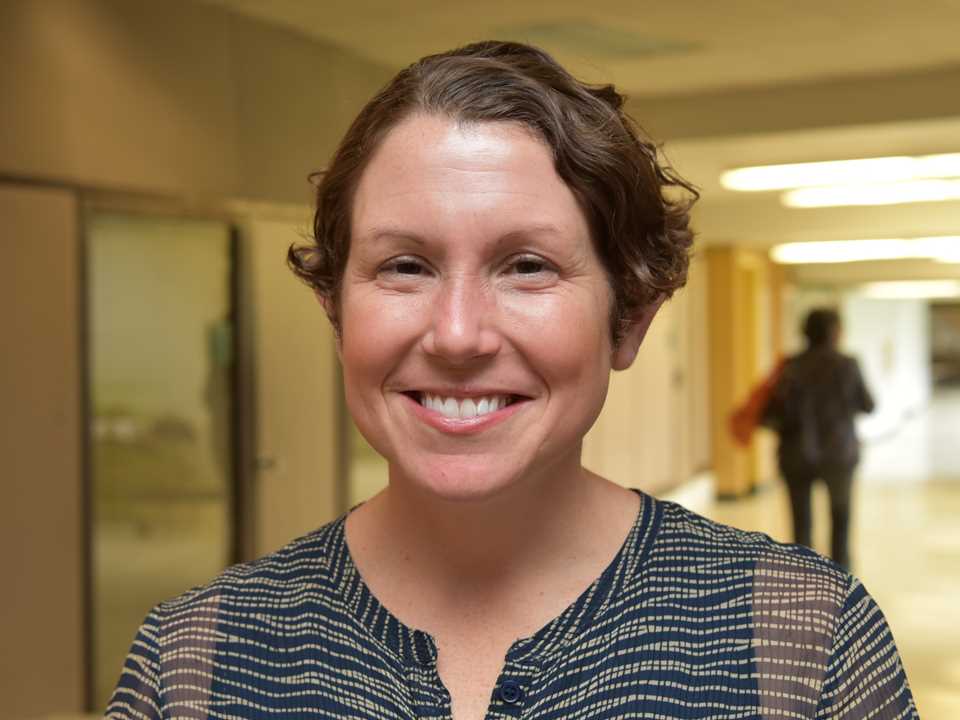
Shannon Mattern, Faculty
Shannon Mattern is the Director of Creative Research at the Metropolitan New York Library Council. Previously, she held tenured full professorships in media studies, anthropology, and art history at The New School and the University of Pennsylvania, where, for over 23 years, she taught over 100 sections of 40 self-designed classes on topics ranging from media archaeology, public space, counter-cartography, and information infrastructures to design ethnography, local media, and sound studies.
She created an open-access website for nearly every class. Shannon won The New School’s Distinguished Teaching Award and was nominated in her second year for Penn’s top teaching award.
Shannon is the author of four books and the (co-)editor of six collections about media architecture, urban technology, knowledge infrastructures, maps, and maintenance. In addition, she’s published over 100 articles (nearly all in open-access venues) and book chapters about a range of topics — from experimental libraries, geo-archives, deep-time document preservation, lichen typography, and “tree thinking” to local data stewardship, interlibrary loan, spatial data, public design processes, pneumatic tubes, field guides, repair manuals, and cardboard boxes. She was the 2025 Kluge Chair in Modern Culture at the Library of Congress. You can find her at wordsinspace.net.
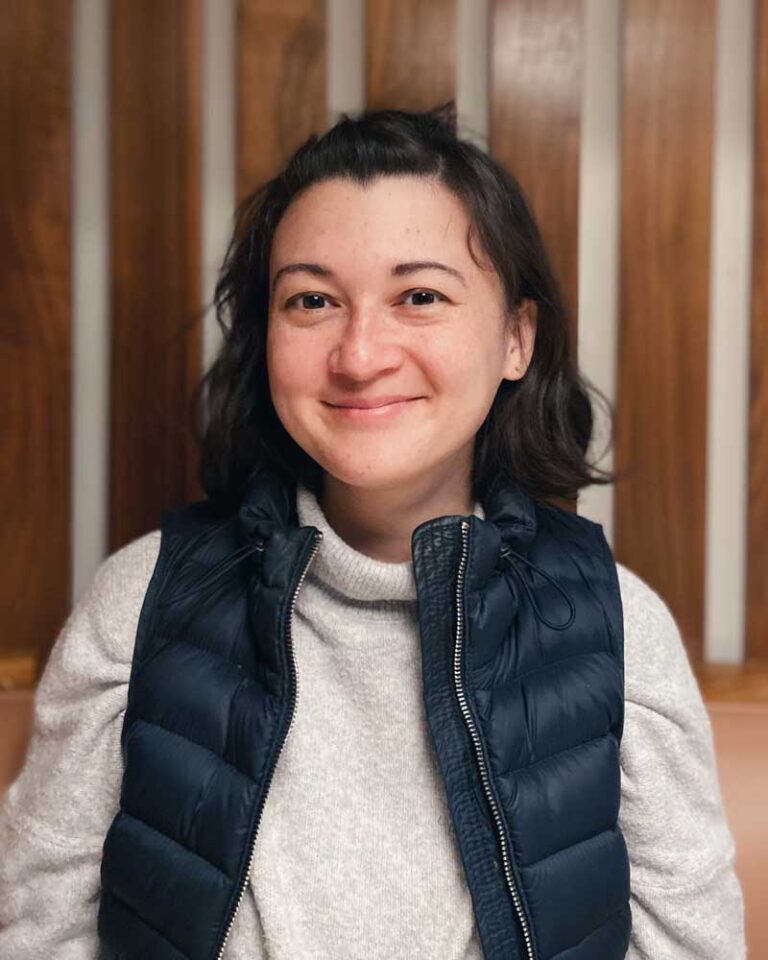
Becca Quon, Program Manager
Becca Quon facilitates research and education-related initiatives at Metropolitan New York Library Council. In her prior role, Becca coordinated grantmaking, partnerships, and community-building at the Council on Library and Information Resources.
She holds an MLS with a focus in Archives & Records Management from the University of Maryland and a BA in American history/art history from UC Riverside.
Advisory Committee
The CRC’s advisors represent a vibrant cross-section of cultural heritage workers, artists, designers, and technologists from across METRO member organizations, the New York City region, and around the world. Their experience and expertise guide our work. (Committee members marked with an (*) also served in 2025.)
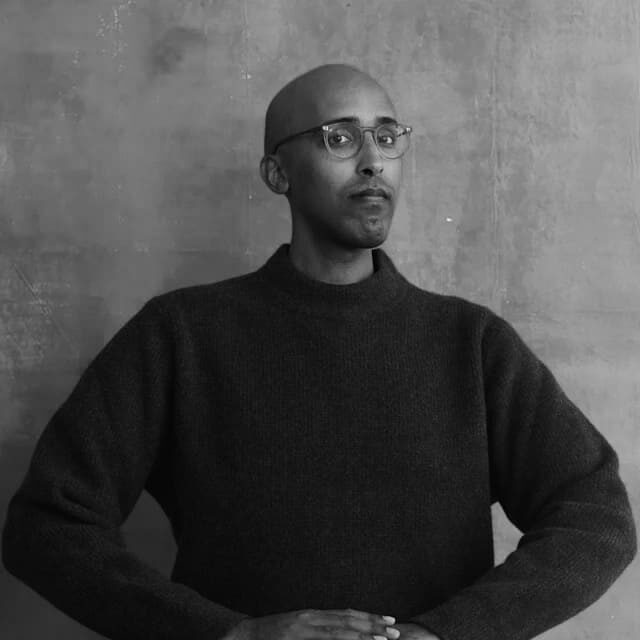
Haian Abdirahman*
Archives Manager, The Mellon Foundation
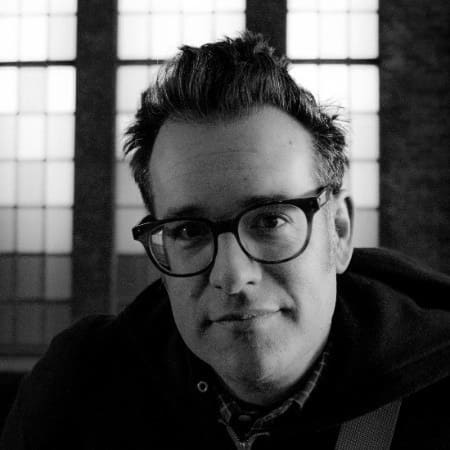
Nate Hill*
Executive Director, Metropolitan New York Library Council
sam mandani
Online Instruction Librarian at New York University
Emilio Martinez Poppe
Artist; Civic Arts Program Coordinator, NYC Department of Cultural Affairs
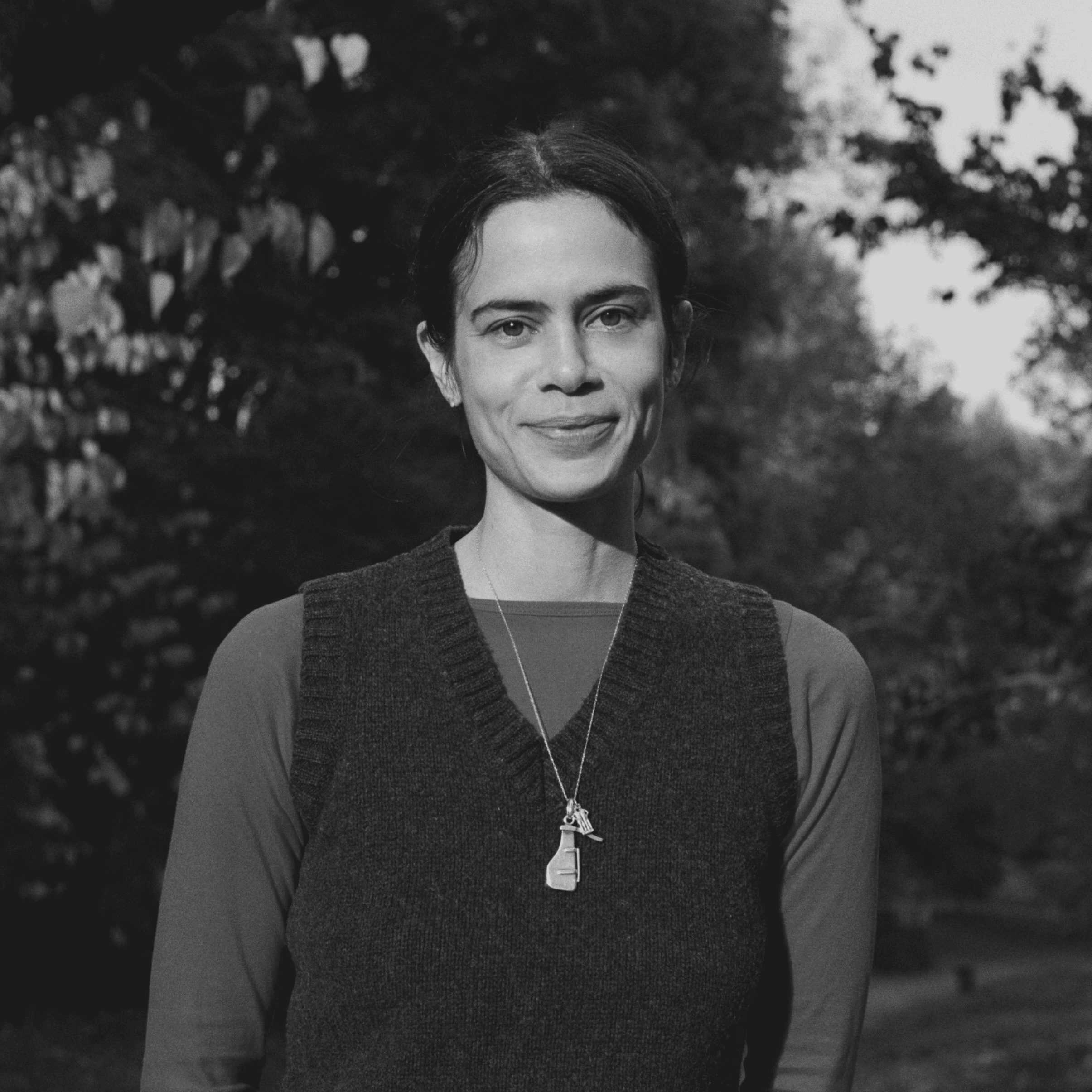
Rachel Meade Smith
Writer, editor, researcher, and civic design worker.
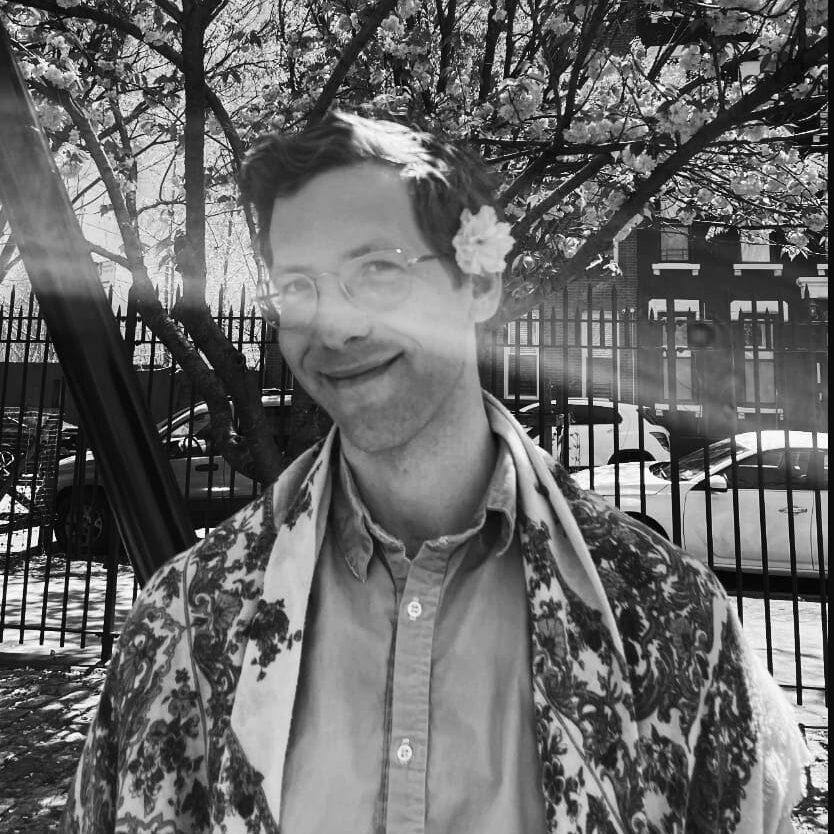
Sal Tuszynski*
Library worker, organizer and multimedia artist
Or Zubalsky*
Artist
Past advisors
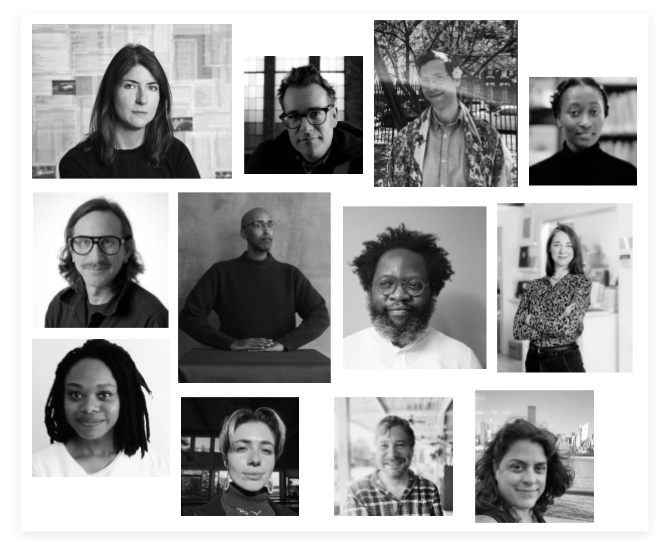
- Adwoa Adusei, Manager, Library for Arts & Culture, Brooklyn Public Library
- Andrew Beccone, Founder and Director of the Reanimation Library; Database & Digital Assets Manager, Joan Mitchell Foundation
- Jen Cohlman Bracchi, Head Librarian, Cooper Hewitt, Smithsonian Design Museum Library
- Re’al Christian, Art Critic; Director of Editorial Initiatives, Vera List Center for Art and Politic
- Tinashe Mushakavanhu, Artist; Faculty, African and African American Studies, Harvard University
- Corina Reynolds, Executive Director, Center for Book Arts
- David Senior, Director of Library, SFMoMA
- Julia Weist, Artist; Faculty, Bard MFA Program
Contact Us
Email [email protected] to submit a query.