About the Course
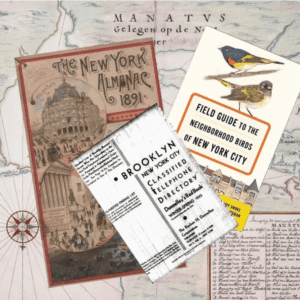
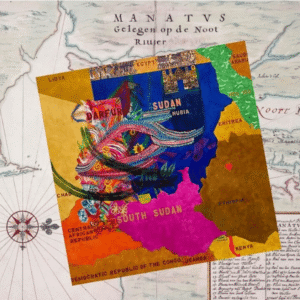
Search engine optimization and generative artificial intelligence have progressively destroyed web search. Meanwhile, expanding privatization, surveillance, and the militarization of our public spaces have impeded our capacity to explore and inhabit the physical world — and the instrumentalization and “optimization” of education have hindered organic, curiosity-driven investigation. In this course, we’ll gather to survey the state of search and discovery, reclaim lost methods, explore strategies for circumventing automation and extraction, imagine new modes of orienteering, and conjure up new terrains of wonderment. Our journey will encompass the history of exploration and cartography, legacies of inquiry, tools of discovery, theories of curiosity, and counter-algorithmic means of “finding things out.” We’ll aim to engage with navigators and user-experience designers, tour guides and psychologists, artists and archaeologists. Each weekly session will exemplify a different mode of finding and exploring New York’s terrains and treasures, and our work will culminate in the collective creation, through the summer and early fall, of a scavenger hunt, map, or field guide promoting discovery of the city’s knowledge institutions and cultural heritage.
Goals
- To appreciate the political-economic, ontological, epistemological, technological, and ethical dimensions of “discovery”; to interrogate what it means to “discover” something; to consider how evolving social and technological forces impact what it means to “search” for new knowledge and experiences; and to recognize — and redistribute — the privilege and possibility inherent in exploratory practices
- To reclaim exploration and imagine how we might frame it as a resistant, liberatory practice
- To catalogue and experiment with various approaches to search and discovery from across disciplines and fields of practice, and to imagine how we might productively cross-pollinate methods from one field to another, across contexts and collections — or even invent new methods; and to invite others into our exploration
- To highlight the wealth and variety of knowledge institutions in our metropolitan region — and to demonstrate how New York City can serve as a national and global beacon, an embodiment of the vital importance of trusted public knowledge, of robust investment in cultural institutions, and of mutual aid, solidarity, and coalition-building
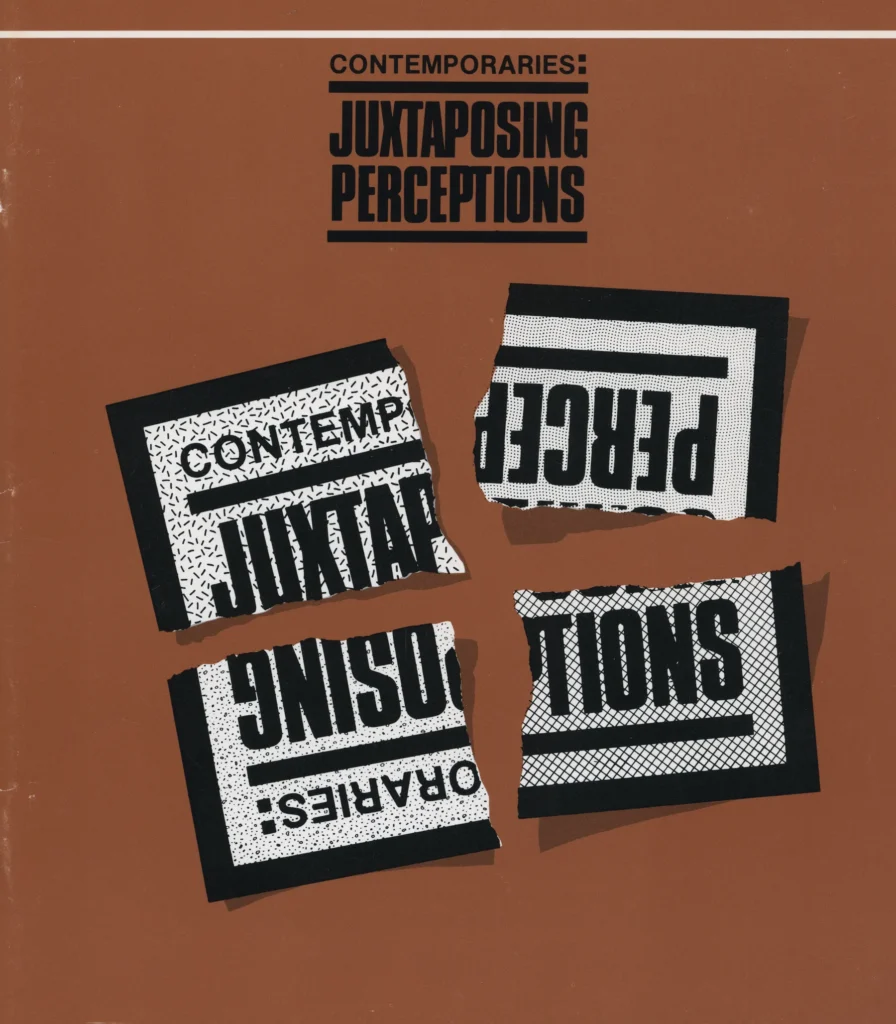
- To juxtapose (or cross-reference!) institutions, collections, and ideas — and explore their prismatic refractions
- To discover what new knowledges and creative practices might emerge through integrative thinking and interdisciplinary, inter-institutional collaboration
- To seek commonalities and complementarities — from the individual to the institutional scale — and to build foundations for future partnerships
- To experiment with more humane, creative, principled, and generative models of “making knowledge public” – from idea-germination, through peer review, through the fabrication and distribution of a material artifact or experience
*How are we defining knowledge institutions? Capaciously, in true cross-referenced fashion! Let’s think about what the entire GLAM sector (galleries, libraries, archives, and museums), the education sector, and other civic institutions — the post office! public housing! — could do together.
Your Contributions
We ask you to please make every effort to attend each of our weekly sessions, and to have familiarized yourself with the “assigned” texts (about which more here.)
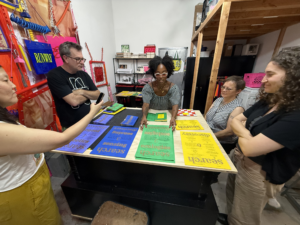
We initially designed the CRC to minimize the outside-of-class expectations for participants, who are typically balancing full-time jobs and family obligations. Yet our initial cohort, the Misfits, expressed enthusiastic desire for more opportunities to reflect on each excursion afterward, in light of our readings and in relation to their own professional experiences and personal interests. So, we’ll offer the following informal forums for reflection, connection, and sharing additional resources :
- Occasional informal post field-trip hangouts
- A virtual group discussion platform (e.g., Slack, Google Docs, or some privacy-and-security-focused alternative) or means of personal critical reflection (e.g., a shared doc or a simple weekly email)
- Optional post-excursion Thursday @ noon or Friday at 3pm virtual hangouts; you’ve all received via email an invitation to sign up for Zoom links. We could share a running agenda, where folks could post potential questions or discussion topics as they occur, and we could invite especially engaged or expert participants to lead particular discussions
After the 10-week class concludes, we’ll work together — with guidance from experience and graphic design professionals — to create a city-wide scavenger hunt, map, or field guide that exemplifies a capacious approach to search and discovery of the metropolitan region’s public knowledge. Participants will be expected to make themselves available for three or four group planning workshops and two individual consultation meetings in the summer and fall, and to contribute to the testing and execution of our project. We can calibrate the ambition of our endeavor to the amount of time, energy, and interest you can bring to it.
About the Cohort
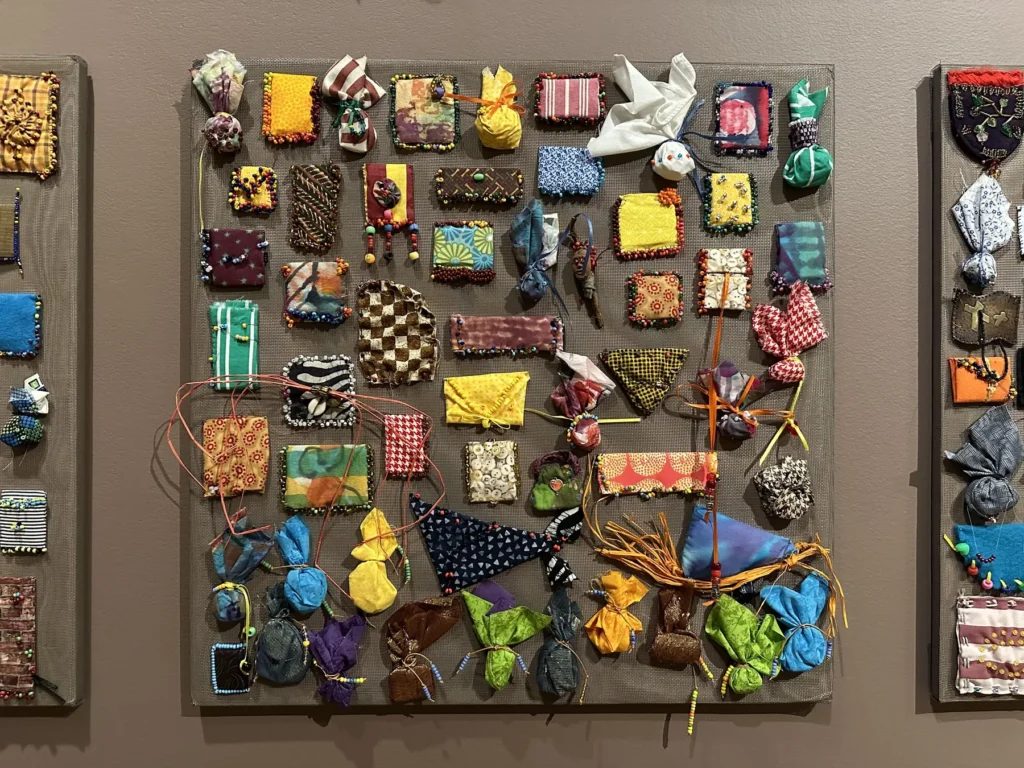
We’ve got a fantastic group — 15 participants representing a range of organizations: Brooklyn College, the Brooklyn Public Library, Elementary Press, Franklin Furnace, the Morgan Library and Museum, New York City Public Schools, the New York Public Library (including the Schomburg Center for Research in Black Culture), the New York Times (emeritus), the Pratt Institute, the Queens Public Library, the Urban Design Forum, and a range of arts and design organizations — as well as a variety of independent art, design, media production, and engineering practices.
About the Syllabus + Readings
I make every effort to map out the entire semester before the “semester” begins, so we all know what we’re in for. Yet we might need to make a few small alterations to our schedule: we might host a guest who’s passing through town, I might seek your input on texts or activities that better speak to your needs and interests, I might decide to cut a couple of our readings or substitute new material that’s published over the course of the semester, etc. Any changes will be noted, with plenty of advance notice, on our class website. And any revisions will only maintain or decrease, never increase, your workload!
About Those Reading Lists!
If you’re accustomed to syllabi that consist of little more than a weekly schedule and a list of readings, our website might look a bit – or a lot! – intimidating. Fear not! Most of what you see here is my attempt to provide context and intellectual framing! I explain why I’ve chosen particular texts, and what I hope you’ll gain from reading, watching, or listening to them. I offer tips regarding what to focus on. I pose questions that I hope you’ll keep in mind as you engage. In short, the voluminous text you’ll see under each bullet point is intended to serve as a friendly guide to your weekly preparations. It’ll ideally make your reading more directed and meaningful.
What’s more: I try to assemble lists of varying lengths, intensities, and formats. You won’t be reading four dense academic articles in a single week. On occasion, I’ll encourage you simply to skim or browse or “check out” some resources; in those cases, I mostly want you to know those resources exist, and to appreciate the breadth of what they have to offer so you can potentially return to them later. I’m hoping these materials prove useful for your own research – or inspire a new interest, or introduce you to some cool new stuff, or connect you to a new community! Sometimes, rather than assigning a whole book, I invite you to read a review or an interview with the author. And I occasionally recommend videos or podcasts in lieu of written texts. I invite you to walk or lie on your chaise lounge or sit in a park or ride your Peloton or row a boat while you watch and listen to these materials.
Finally, you don’t have to read any of this stuff. Nobody’s tracking you! Yet I did choose these texts because I find them informative and provocative and exciting — and I think that, collectively, they’ll help us cultivate a prismatic view of each week’s theme. They’ll also prepare us to be engaged, generous guests and hosts to the folks who have kindly agreed to join us each week — and to be intellectually accountable to one another.